


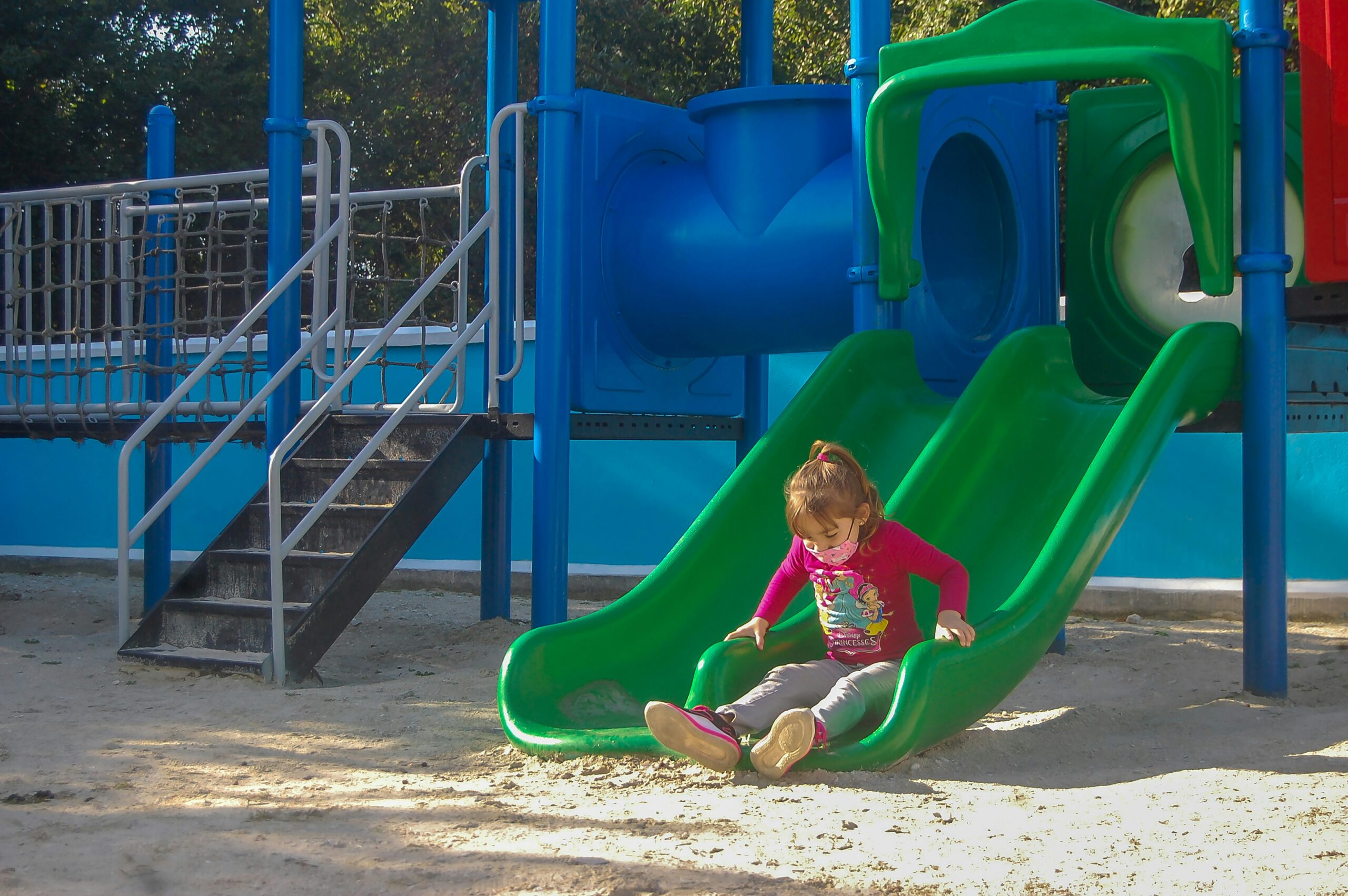
Outdoor play areas are vital spaces where children can explore, socialise, and develop essential physical skills. However, keeping these spaces safe and visually appealing requires regular maintenance, especially when it comes to the playground surfacing. Whether the surface is made from wet pour rubber, artificial grass, or bonded mulch, maintenance plays a key role in extending its lifespan and ensuring consistent safety standards.
This guide explains the key maintenance requirements for different types of outdoor play area surfacing, along with simple steps from Playtop to help schools, councils, and nurseries maintain clean, safe, and durable play environments.
Why Maintenance Matters for Playground Surfacing
Playground surfacing is exposed to constant foot traffic, weather changes, and natural wear and tear. Without proper maintenance, even the most durable surface can become uneven, slippery, or unsafe over time.
Regular inspections and cleaning not only preserve the look and feel of the play area but also prevent costly repairs in the future. Neglecting maintenance can lead to issues such as drainage problems, trip hazards, and surface damage, all of which could compromise playground safety and compliance with regulations.
Keeping surfaces in good condition ensures they continue to provide shock absorption, slip resistance, and accessibility for all users.
Daily and Weekly Maintenance Tasks
The frequency of maintenance will depend on how often the playground is used and the type of surfacing installed. However, some simple daily and weekly tasks can make a significant difference.
Start by carrying out visual inspections to identify any immediate hazards. Look for litter, broken glass, branches, or debris that could cause accidents. Removing these promptly keeps the area safe and prevents damage to the surface.
Next, check for signs of wear or damage, such as cracks, holes, or loose edges. Early intervention is key — small issues can often be repaired before they develop into larger, more expensive problems.
Sweeping or brushing the surface regularly helps prevent the build-up of dirt, leaves, and moss. This not only improves the appearance but also maintains good drainage and slip resistance.
Monthly and Seasonal Checks
In addition to daily care, it’s important to schedule more detailed inspections every month or season. These checks should focus on surface integrity, drainage, and overall condition.
During these inspections, look for areas where the surface may have compressed or lifted due to heavy use or weather conditions. Pay close attention to high-traffic zones such as entrances, slide exits, and swing areas, as these spots typically wear down faster.
If your playground features rubber safety surfacing such as wet pour or bonded mulch, check for fading or cracking. These can indicate UV damage or ageing materials. Re-coating or repairing small sections early can prevent larger resurfacing costs later on.
In autumn and winter, make sure the drainage system is working effectively. Blocked drains can cause puddling and damage during freezing conditions. Clearing leaves and debris from edges and channels will help water flow freely and prevent long-term damage.
Maintaining Wet Pour Rubber Surfacing
Wet pour rubber surfacing is one of the most popular options for schools and playgrounds because of its durability, safety, and low maintenance requirements. However, it still benefits from regular care to keep it performing well.
For daily upkeep, sweep the surface to remove debris and prevent dirt build-up. Using a mild detergent and a soft brush can help remove stains and algae. Avoid harsh chemicals or pressure washers, as they can damage the rubber.
Over time, wet pour may develop small cracks or worn patches in heavily used areas. These can be repaired using a compatible wet pour repair kit to restore the surface’s strength and appearance.
An annual professional clean can help maintain the colour and texture of the surface while ensuring it meets the required safety standards for impact absorption.
Maintaining Artificial Grass Play Surfacing
Artificial grass surfacing offers a natural look with the durability needed for play areas. It’s particularly common in nurseries and early years settings.
To keep artificial grass in good condition, brush it regularly to lift the fibres and redistribute infill material. This helps maintain a soft and even surface. Debris such as leaves or litter should be cleared frequently to prevent blockages in the drainage layer.
Rinse the surface occasionally to remove dust and pollen, especially during dry months. For sanitisation, use a non-toxic cleaner that’s safe for children and pets.
If the grass begins to flatten in high-use zones, brushing and top-up infill may be needed to restore its resilience. For longer-lasting results, professional maintenance once or twice a year can help extend the surface’s life.
Maintaining Bonded Rubber Mulch
Bonded rubber mulch provides a natural, woodland aesthetic while offering strong impact absorption. It’s made from recycled rubber and designed to be porous, allowing water to drain through easily.
To maintain it, sweep the surface to remove loose debris and inspect for signs of displacement or uneven wear. Although bonded mulch is durable, it can compact over time, especially in areas with heavy footfall.
If low spots or gaps appear, they can be refilled using new bonded mulch material. Regular cleaning with mild detergent and water helps prevent moss and algae growth, keeping the surface safe and slip-resistant throughout the year.
Preventing Algae and Moss Growth
Outdoor play surfaces are prone to algae and moss, especially in shaded or damp areas. These can make the surface slippery and unsafe if not treated promptly.
To prevent this, clean the surface regularly and ensure it dries properly after rain. Applying an anti-algae treatment two to three times a year can help protect the surface, particularly during wet seasons.
Good drainage is also essential. Check that water isn’t pooling anywhere on the surface, as standing water encourages moss growth and weakens materials over time.
Repair and Resurfacing Considerations
Even with regular maintenance, all playground surfaces will eventually need repair or replacement. The key is to monitor wear closely and act quickly when issues arise.
For minor damage, such as small holes or cracks, patch repairs can usually be carried out easily. If the surface becomes uneven, it may require re-levelling or partial resurfacing to restore performance and safety compliance.
Professional inspections are recommended annually for heavily used playgrounds. Specialists can assess the surface’s condition, test its impact absorption, and suggest repairs or upgrades as needed.
The Importance of Professional Cleaning
While routine cleaning can be done in-house, professional maintenance once or twice a year is highly recommended. Expert cleaning services use low-pressure systems and child-safe detergents to remove dirt, moss, and grime without damaging the surface.
They can also check for underlying issues such as poor drainage or structural wear that may not be visible to the naked eye. This proactive approach helps keep your play area safe, compliant, and visually appealing year-round.
Conclusion
Proper maintenance is essential for keeping outdoor play area surfacing safe, attractive, and long-lasting. Regular cleaning, inspection, and prompt repairs ensure children can play confidently while helping schools, councils, and communities protect their investment.
By following a structured maintenance routine and working with professional surface specialists when needed, you can extend the life of your playground and maintain the high safety standards expected in modern outdoor play spaces.