


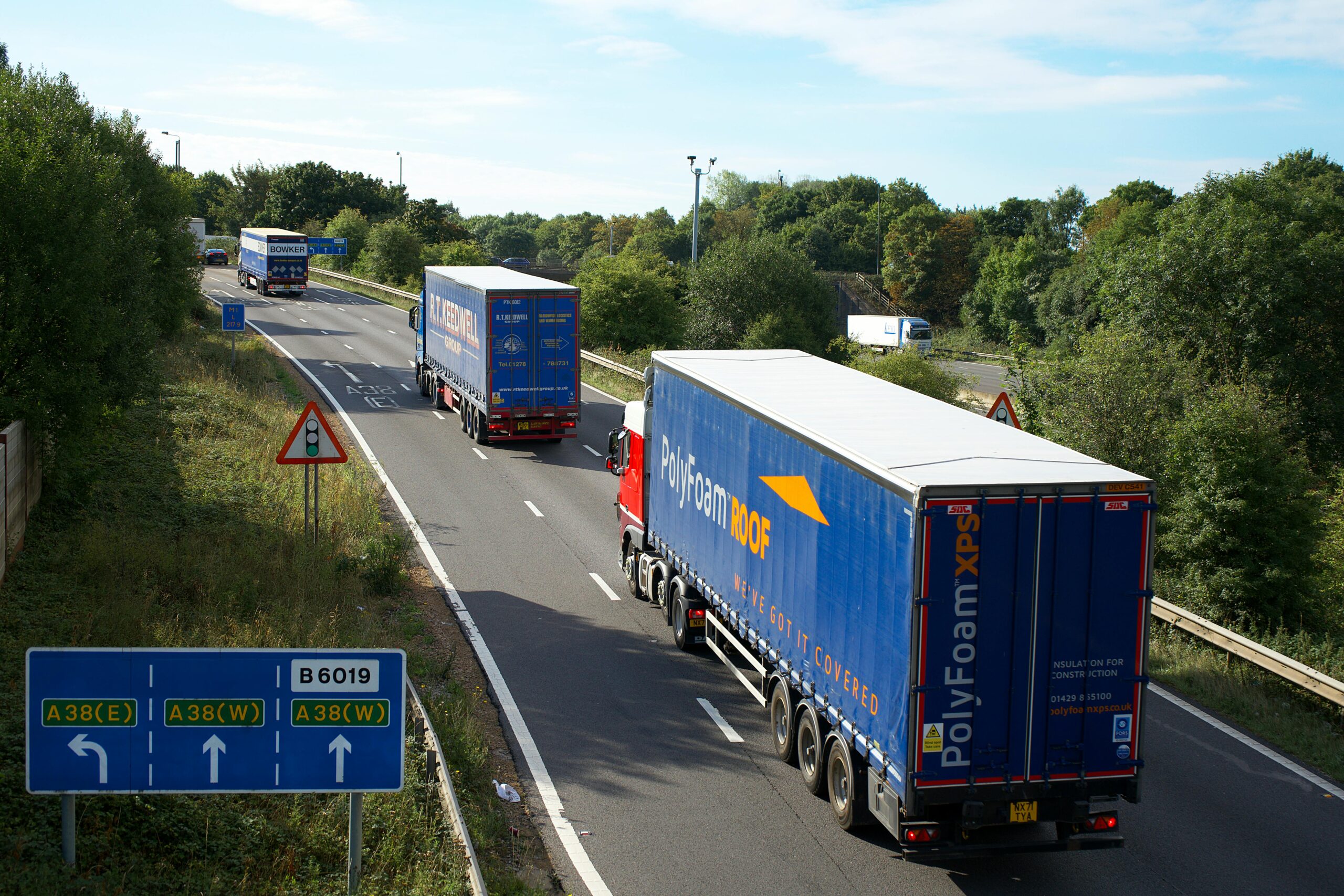
Local economies rely on more than just consumer demand and business effort. Behind every stocked shelf, delivered order or timely service, there’s a transport system working to keep things moving.
In towns like Wokingham, effective freight routes contribute to business success. Whether goods are arriving from nearby counties or being shipped further afield, the strength of these transport links has a direct impact on the pace and quality of trade.
Every vehicle that moves through industrial estates, business parks or regional roads plays a part in helping local companies meet customer expectations. It’s not a glamorous part of business, but it’s essential all the same.
Strong Transport Links Support Business Growth
Wokingham’s local businesses often depend on connections beyond the town itself. From suppliers based in other counties to customers further down the road, few companies operate in complete isolation. Reliable transport networks are the bridge that makes regional business partnerships possible.
Shops, distributors, and manufacturers often work on tight timelines. A single delay in delivery can affect production schedules, inventory levels or even customer satisfaction. Strong road links and dependable freight partners help reduce these risks.
Many local firms operate across multiple counties and require services that can handle varying delivery volumes. For those managing perishable goods or sensitive shipments, consistency is essential. Transport reliability plays a major role in making sure businesses stay on track with operations.
Freight Services Keep Supply Chains Connected
Regional freight routes support everything from supermarkets to independent traders. Whether it’s transporting raw materials, finished products or returns, freight companies act as a backbone for trade.
Towns like Wokingham benefit from their position within larger regional delivery networks. These networks are often used by national businesses distributing goods to local areas. Without consistent freight services, local retailers and service providers would struggle to keep up with demand.
Freight doesn’t always mean large, cross-country shipments either. Many transport firms provide mixed-load options, timed delivery windows, and short-distance transfers. This flexibility allows businesses to scale their operations without committing to larger in-house logistics setups.
When trade is running smoothly, it’s often because transport providers are doing their job quietly and efficiently behind the scenes.
Regional Focus: Supporting Trade Between Counties
Areas such as Bedfordshire continue to play a vital part in wider trade routes. Located within reach of major distribution centres and motorway access, towns across the region connect logistics hubs with destinations across the South East and beyond.
Wokingham businesses with regional partnerships often rely on services that extend into Bedford and the surrounding areas. Firms requiring reliable haulage in Bedford benefit from consistent service routes, especially those operating across multiple counties. These connections enable better scheduling and reduced delays, particularly during periods of high demand or seasonal spikes.
Many logistics providers now offer flexible scheduling and warehousing, enabling smoother hand-offs between regions. This supports trade between towns and helps maintain delivery expectations without requiring businesses to manage every detail themselves.
Those needing access to dependable haulage routes can explore solutions like haulage Bedford, which serve as important links in the movement of goods across key regions.
Better Routes Lead to Smoother Operations
Efficient transport systems improve more than just delivery times. They reduce errors, help businesses better manage stock, and lower the risk of supply chain interruptions.
Businesses with reliable logistics partners spend less time chasing updates or adjusting timelines. That allows internal teams to focus on service delivery, product development, or customer care.
Seasonal surges often place extra stress on delivery systems. Planning ahead becomes easier when businesses know their transport providers can adjust routes, scale capacity, or reroute where needed.
Choosing a partner with a strong regional network and experienced drivers makes a noticeable difference. It’s not just about moving items quickly, but ensuring each delivery arrives safely and when expected.
For companies managing fresh food, fragile products, or items with strict timing requirements, having a clear plan supported by strong transport coverage is essential.
Local Businesses Should Review Logistics Partners Regularly
Choosing the right transport partner is one of the most practical decisions local business owners can make. Whether the business involves retail, manufacturing or services, reviewing delivery performance and freight coverage should be a routine part of operations.
Local firms often grow beyond their initial customer base. As delivery volumes increase or product types expand, some logistics setups may no longer meet new demands. If delays are becoming frequent or customer feedback highlights issues with delivery, it’s worth reassessing your options.
When considering a logistics partner, businesses should ask questions such as:
- Do they offer coverage across your main supply or customer regions?
- Are they able to adjust schedules based on seasonal demands?
- Can they manage temperature-sensitive or fragile items securely?
- Is communication clear when issues arise?
Strong answers to these questions usually point to a logistics provider who understands the needs of regional businesses. It’s not about finding the cheapest option, but one that supports long-term growth and operational stability.
Why Smarter Transport Choices Make a Difference
Efficient freight solutions don’t just benefit businesses. They support better traffic planning, reduce fuel waste, and help communities receive goods on time. A transport partner with a thoughtful approach to routing and load management can improve the flow of goods while reducing unnecessary delays.
In places like Wokingham, where local businesses play an active role in community life, strong logistics support means fewer service interruptions, better-stocked shops, and improved outcomes for residents.
Choosing smarter transport options doesn’t always require large changes. Sometimes it’s about reviewing delivery schedules, working with providers who understand the region or planning ahead for seasonal peaks.
Keep Your Business Moving With the Right Transport Support
Trade doesn’t happen without movement. Every product sold, every order delivered, and every project completed depends on getting the right materials to the right place at the right time.
Paying attention to how goods move through your supply chain isn’t about fixing problems; it’s about avoiding them altogether. And for businesses that want to stay ahead, such decisions often make the biggest difference.